Table Of Content
It can be two elements with similar weight but different sizes or shapes. Or, a heavier element balanced by a couple of lesser focal points. Compared to symmetry, asymmetrical elements make for more interesting images. They can also result in images with varying levels of attractiveness. The designer carefully balances the elements of the poster, using symmetrical balance to create a sense of order.
other ways to achieve balance in design
They can be used to create balance in a design, and there are many different shapes that can be used in a design. An example of asymmetrical balance would be placing one larger object next to two smaller objects (such as an apple next to two oranges). Complexity and simplicity is a visual technique that contrasts to balance asymmetry, using textures and details in different capacities.
Achieving Balance through Contrast and Proportion
Visualizing the shapes on the canvas makes it easier to place elements to achieve asymmetrical balance. Aside from the three main types of balance, there are other techniques that designers use to achieve balance in their compositions. Contrast and proportion play crucial roles in creating visually balanced designs.
Meet Bijan Berahimi, the Graphic Designer Behind Portland's FISK - Portland Monthly
Meet Bijan Berahimi, the Graphic Designer Behind Portland's FISK.
Posted: Thu, 18 Aug 2022 07:00:00 GMT [source]
Examples of balance in graphic design
After all, balance make our designs, illustrations, and photos ideally perfect. Read on to uncover how to apply the four types of balance in graphic design for captivating images. Graphic design is a field that encompasses the creation of visual elements like logos and images. Graphic designers use balance in their designs because it can have a huge impact on how people respond to them. Perspective is the last visual technique to help you achieve asymmetrical balance. Photography is the most straightforward visual to use as a foundation for asymmetrical balance, especially images that use perspective as the focal point.
Recommended Articles

Mosaic balance is promoted in designs by cramming the layout with different elements. But if the layouts are too sparse, it will dilute the effect. There are different techniques used to create a crystallographic such using a repeating pattern. Now, let’s discuss the four types of balance that can be used in graphic design, photography, and artwork.
The Ultimate Guide to Email Banner Size: Best Practices in 2024
Understanding balance in graphic designs takes you to new levels of experimenting. You're aware that every element you incorporate has a sense of weight; therefore, the way you balance those elements will determine your composition appearance. Symmetrical balance means even distribution of the visual weight. If you draw a straight line through the design's center in any direction, and the optical weight will appear evenly distributed. Before creating any design, you should consider the graphic design principles, including unity, contrast, emphasis, and, most importantly, balance. If you're looking to improve your composition, visual balance is most likely the starting point.
Visual Balance Through Colors and Tones
Balance, in graphic design, can be seen as the compatibility between positive and negative spaces. Not only is it appealing, but achieving perfect visual balance also allows the viewer to focus more clearly on a design. The two broad classifications of balance in graphic design are symmetry vs asymmetry.
Conversely, an aesthetically-pleasing image will use one of four types of balance; radial, symmetrical, crystallographic, or asymmetrical. At least one of these types of balance in graphic design is necessary to create professional results. The rule of thirds is a design technique that separates the canvas into nine equal parts by adding two vertical and two horizontal lines.
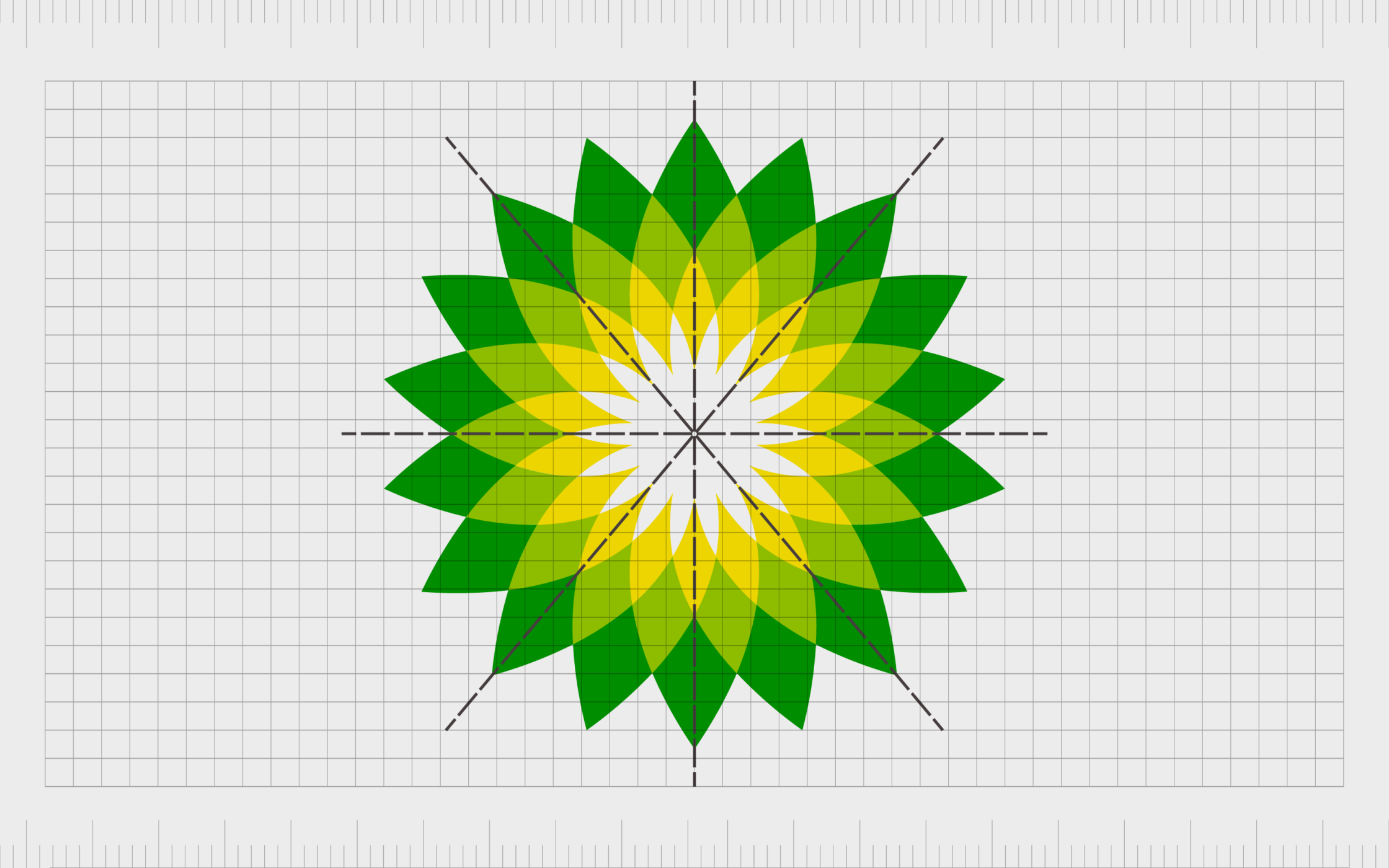
You can have different weights on each side, but can remain balanced by how the heavier and lighter elements are positioned and stacked. With this type of balance, the visual elements on either side of a composition aren’t mirror images of each other. Similarly, a radial balance is created when all the visual elements radiate from a center point. The element's position on the page dictates how balanced the page looks. The most challenging aspect to attaining visual balance in graphic design is the fold. You may initially create a perfectly balanced layout, but it appears off-balance as the reader scrolls down the page.
When elements in the canvas are not symmetrical but instead balance each other out through color, shape, size and texture, this is asymmetrical balance. Designers can also create balance by tweaking the shape of elements in a way that suits their preferred mode of visual balance. They might create a contrasting symmetry, or they might use different shapes to create an asymmetry that helps focus the gaze onto the main part of the design. The last major type of balance in design is the concept of off-balanced designs.
This image doesn’t feel right because we know the person on the left isn’t big enough to balance the person on the right. The clockwise force should be much greater, and the seesaw should be touching the ground on the right. Assuming you were both about the same size, you were able to easily balance on the seesaw. The following image appears to be in balance, with two equally sized people equally distant from the fulcrum on which the seesaw balances. There are times when we look at a design and think something’s off, but we can’t put our finger on it. So for your designs to be effective, make sure that it has balance.


No comments:
Post a Comment